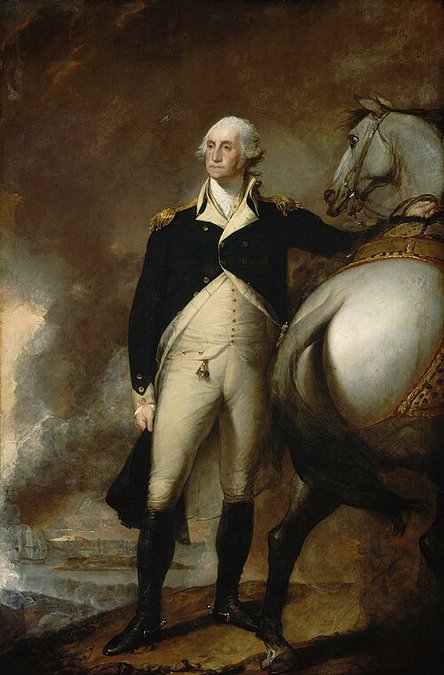
Editor’s note: In the style and spirit of Silence Dogood and in acknowledgement of the upcoming United States Semiquincentennial, we look at the founding of this nation through the eyes of the fictional Albert Louder and others and explore the conflict from a personal perspective.
March 20,1776
Dearest Reader,
I am happy to report that the great city of Boston is free of Little George’s lions and safely back in the hands of her rightful residents.
This day has been long in coming and has provided those so invested a grand tale of drama, daring, deceit, and perhaps even a dash of destiny. As I have already, in great detail, relayed the events of last spring, I shall not delight in entertaining you with the same score. Instead, I shall confine my remarks to the most recent of events.
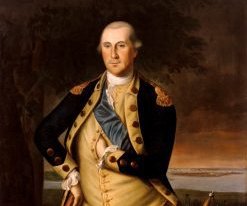
At my last correspondence, I informed my readers of the arrival of Colonel Knox and his artillery train from Ticonderoga. After a grueling winter trek, the colonel and his men presented the Honorable General Washington with cannon, shot, and powder, but also the picks, shovels, and axes with which to build the works that would serve as protection during their employment.
The first of these guns were emplaced in Roxbury and Cambridge and immediately took up a bombardment on March 2nd and 3rd, exchanging fire with the King’s batteries within the city. These were meant to divert the lions’ attention away from Washington’s real goal — the high ground in Dorchester to the south of the city.
There is no doubt that the Lion Howe, now in command, recognized the importance of the heights. From those hills, Washington could control the entirety of shipping within the harbor with the placement of some heavy guns — which, coincidentally, he has just recently acquired thanks to the herculean efforts of a certain plump cherub of a colonel.
Until now, neither side had the ability or desire to seize the heights for fear of bringing on a general engagement that neither were prepared for. But with Ticonderoga’s heavy guns, Washington set about laying a trap for the little lion.
Almost as soon as the guns arrived, Washington and his lion tamers began concocting a plan to seize and fortify the Dorchester Heights against an attack by Howe’s Regulars. Fascines of bundled timbers were prefabricated along with chandeliers to keep them in place. On the night of March 4th, under cover of artillery fire from the north and west, Generals Thomas and Goddard took 2,500 men to the top of the heights, dragging with them the fascines, chandeliers, and heavy guns. By morning, Howe was most defiantly surprised. Realizing the Royal Navy could no longer operate with impunity, resupplying the Army was jeopardized. Although considering it, Howe realized any assault on the fortified heights would only be a much bloodier repeat of June’s battle on Breed’s Hill.
On March 8, Howe asked for terms, stating that should he be allowed to leave unmolested, his men will not set the city alight. Washington agreed.
With favorable winds on March 17, Howe and his 10,000 Regulars, accompanied by 1,000 Loyalists, left the city. Washington sent in search teams to verify the city was free from smallpox, and today, he finally let the rest of the army occupy the city.
With the lion and his army gone, there is much jubilation in the streets. But that cheer is tempered by the fact that the Lion will return.
And with a vengence.
Yours in triumph,
Alby Louder