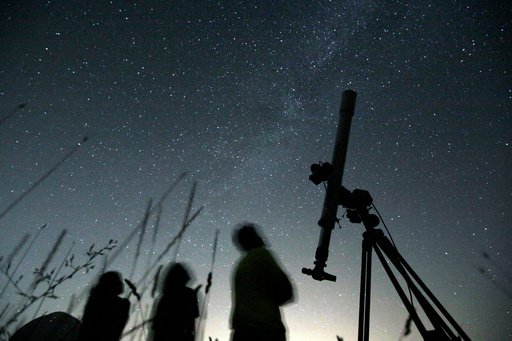
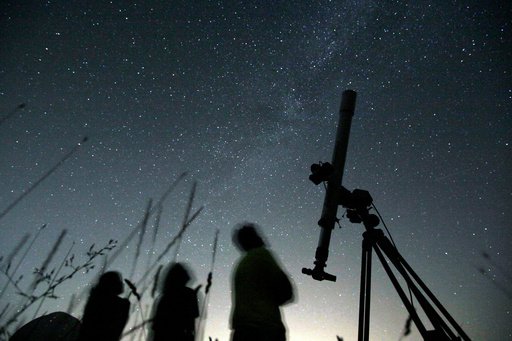
NEW YORK (AP) — The last major meteor shower of the year, known as the Ursids, peaks soon, bringing glowing streaks to nighttime and early morning skies. Compared to other meteor showers, it's more subdued, but experts say it's still worth a glimpse. Meteor showers happen when space rocks hit Earth's atmosphere at extremely high speeds and burn up, gaining fiery tails — the end of a “shooting star.” Random meteors are visible from Earth on any given clear night, but more predictable meteor showers happen yearly when Earth passes through streams of cosmic leftovers from comets or asteroids.
Catch the Ursid meteor shower as it peaks just before Christmas