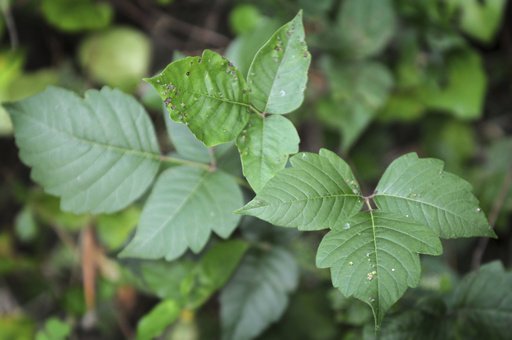
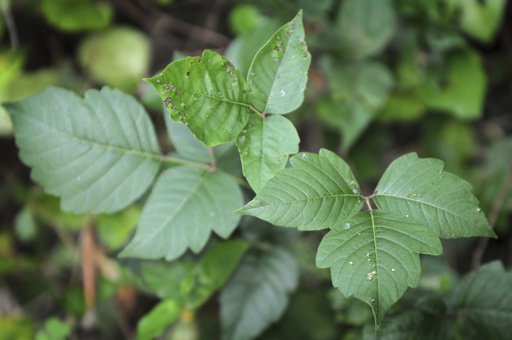
For all the time I spend digging, planting, pulling and weeding, one would think I’d have some poison ivy horror stories to tell, but I do not. I can’t say for sure whether I’m immune to the rash that tortures so many of my fellow gardeners or if I’ve just been lucky, but one thing is for sure: The plant does pose a serious problem for many who come into contact with it. Botanically known as Toxicodendron radicans, poison ivy contains oily chemical compounds called urushiols in its leaves, stems and roots.
Getting rid of poison ivy is a serious matter. What you should and shouldn't do