The hermit crab is one of the most underrated pets. We’ve all seen them in someone’s tiny little hermit crab tank -- a single, lonely hermit crab just sitting in the middle. Over in the corner is a bowl of water with a sponge.
Did You know that hermit crabs actually need a lot more to keep them healthy and thriving? Hermit crabs are actually social creatures, often living in groups of 100 or more. Experts recommend keeping several at a time to keep them happy. If a hermit crab is left alone, it can cause a lot of stress on them. Hermit crabs can live more than 30 or 40 years with proper care. Unfortunately, most only live 1 to 4 years due to improper care.
Did you know that hermit crabs aren’t actually crabs? In fact, they are more closely related to lobsters. They aren’t a “true crab” as they lack the hard exoskeleton that crabs are born with.
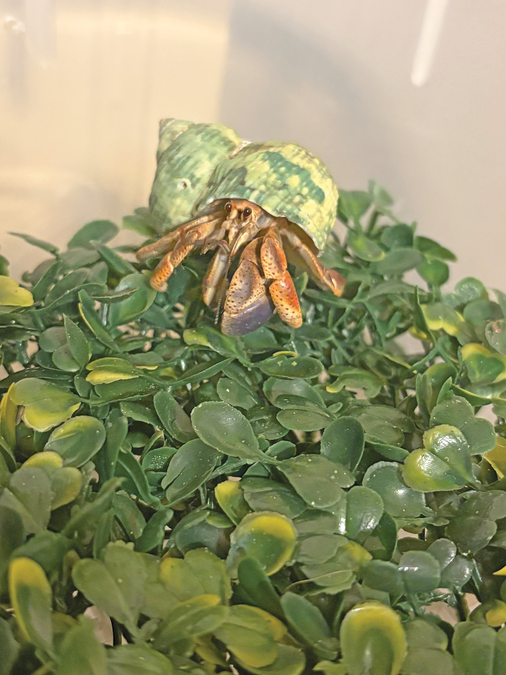
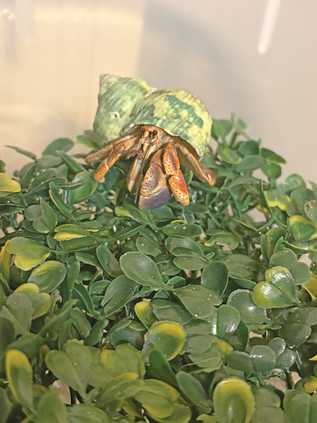
Hermit crabs aren’t born with a shell. They are born naked and must search for a home among empty or discarded shells from dead marine animals. When a hermit crab has found the shell it deems acceptable, it will inspect it with its antennae and its claws. They rotate it around, looking for cracks and defects as well as checking its size.
Once it has inspected it and decided it’s safe, the hermit crab will quickly swap its old shell for the new one. It’s a truly odd sight to watch the crab switch from one shell to another. It happens so fast that it will be done before you even figure out what’s happening. Sometimes the crab will decide it doesn’t quite trust its new home and will swap back into its original shell. It may check several other shells to see if they are a better fit.
A tight fit is important to protect the hermit crab from predators and rough tides. They use their big claw as a door, blocking the rest of its body from harm. So, if its big claw can’t create a tight seal the crab will discard it and look for a larger shell. Shells are also used to hold water to keep their gills moist.
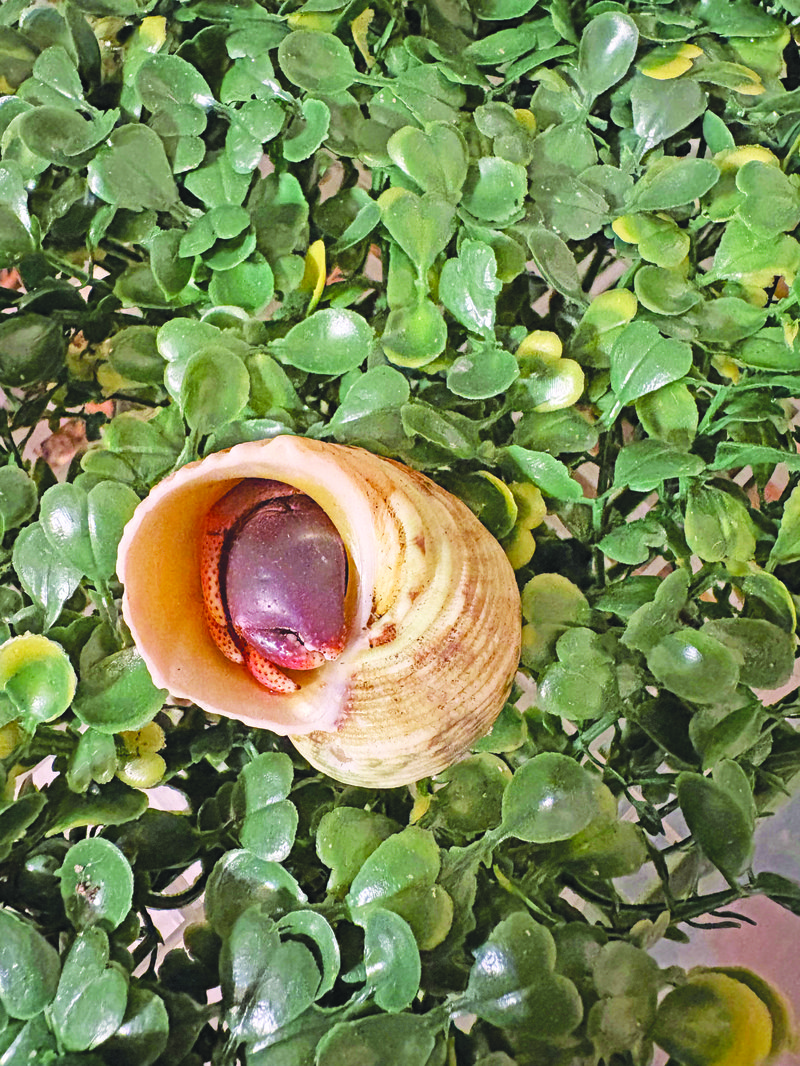
Hermit crabs are decapods, which means they have 10 legs. The front two legs are different sizes. They have a “big pincher” and a “small pincher.” The big pincher, sometimes referred to as the “crusher,” is used not only for protection, but also to hold food steady. The small pincher, sometimes referred to as the “cutter,” is used to break off little pieces of food, and also for drinking. Both front claws are also used to assist in climbing. The second and third set of legs are for walking and climbing. The last two are used for gripping the inside of their shells. These are small and hook shaped and hidden inside the shell.
Although small, hermit crabs have insane strength in their claws. Once they attach to something, good luck!