PITTSBURG, Kan. — Opening a new restaurant from scratch is a struggle.
With small profit margins ranging from 3 to 5 percent, the ever-changing inflation of food and a struggling workforce, it is almost astounding that individuals are willing to open an independent restaurant at all let alone in recent years.
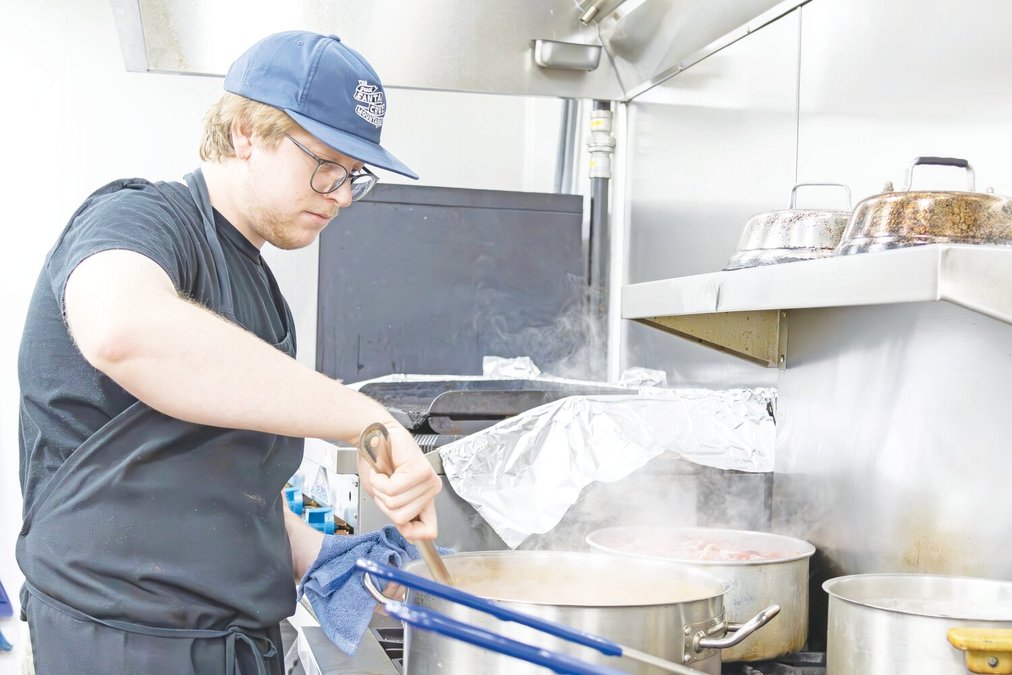
When the pair opened Bushel & a Peck in Girard in mid-2024, Kelley Terlip and Michael Gringras had more than 30 years of restaurant and cooking experience. The two have worked in eateries ranging from upscale fine dining to small food stands.
“We both dreamed of having our own place for years, despite knowing how challenging the industry can be,” Terlip said. “We spent several years working for successful restaurateurs in Philadelphia, learning how to operate profitable businesses. We didn’t open our own restaurant until we felt confident we had the knowledge and experience to succeed.”
Even knowing the struggles that come with owning a restaurant, Terlip and Gringas were determined and looked into the smaller aspects that could impact their business.
Our motto is that the sum of the parts is greater than the whole,” Terlip said. “We focus on the small details, because those are the things that can make or break you. We have a lot of control over areas like purchasing, food waste, and labor management. Overhead is mostly fixed, aside from utilities, so we budget for that annually and set aside savings for emergencies.”
The duo said there are often many factors that are beyond their control such as the weather or the local high school’s sports schedules. This made them stop obsessing about their overall profit margin, and focus on what they could control on a day-to-day basis. Terlip said food costs and labor are the two main aspects where their daily profits are manageable.
“I learned early in my career that if you’re having issues with staff performance, you shouldn’t throw more labor at the problem,” Terlip said. “I’ve seen restaurants overstaff instead of properly training employees or letting go of people who aren’t the right fit. We keep a lean staff made up of high performers who are dedicated to their work. If that means stepping into positions ourselves and working harder until we find the right person, we don’t hesitate to do that.”
According to surveys conducted by the National Restaurant Association, in 2024, 96 percent of restaurant owners stated labor costs were their biggest challenge that year, with the concern of food costs being a close second.
For Terlip and Gringras, food costs have been the biggest challenge for them.
“Inflation is a bigger concern for us,” she said. “Navigating constant price fluctuations can be challenging when you’re trying to maintain consistency for guests. Labor is more straightforward — we schedule based on projected demand and make adjustments in real time if business is slower than expected.”
Terlip pointed out that she understands why many owners said labor costs were a concern. She pointed out that that the COVID-19 pandemic shifted the dynamic of restaurant work and compensation.
“People expect higher wages now, and rightly so,” Terlip said. “I worked in restaurants for more than fifteen years before opening my own, and I believe restaurant employees deserve a living wage. When we built our business plan, we budgeted to pay well above minimum wage.”
Since the employees are vital to the restaurant’s success, Terlip said she and Gringas want them to feel valued and appreciated.
Although Terlip and Gringras spent decades managing restaurants, Terlip admitted she underestimated the difference between running someone else’s business and owning her own.
“One of the biggest challenges we didn’t fully anticipate was staffing,” she said. “Finding qualified employees is exponentially harder in a rural area than in a city, especially for the way our restaurant operates.”
Terlip and Gringras’ love for cooking and preparing meals fueled their passion and determination for opening their own place, but Terlip said, it’s important for new restaurant owners to focus and learn the business side first.
“No matter how good your food is or how hard you work, if you aren’t making money, you’re wasting your time,” she said. “I’ve seen too many people say, ‘If I just take out one more loan, I’ll get my head above water.’ Sometimes that’s true but more often, I’ve watched people put themselves into financial ruin because they were too stubborn to admit their business model wasn’t profitable.”
Keeping on top of the numbers and managing them every day is key.
“Take the time to properly cost every component of every menu item, don’t guess. If something isn’t working, don’t be afraid to change it,” Terlip said. “Also, be realistic about the number of hours you’ll put in, especially at the beginning. It’s a massive undertaking and an incredible amount of work. Restaurants are a completely different beast.”
Terlip said owners must love every aspect of operating an eatery, especially when it’s hard.
“It isn’t glamorous,” she said. “People who haven’t worked in restaurants often don’t realize how demanding it really is. You can’t just love creating beautiful, delicious food. You also have to love the grind. You have to be OK with 13-hour days and missing out on parts of life that others take for granted. If you don’t like that part of it, don’t do it. You’ll end up resenting the work.
“That said, one of the most rewarding aspects is the community you build, both your team and your guests. Watching people grow, celebrating milestones with regulars, and seeing people come together in a space you created is something I’m grateful for every single day.”
This reporting is made possible, in part, by the Support Local Journalism Project Fund. Learn more at: southeastkansas.org/Localnews.